
is asparagus loaded with glutathione
Risk Factors for Toxic Metal Exposure Lead: Lead-containing plumbing Lead-based paints (in buildings built before 1978 and is the predominant source for children) Foods grown in lead-rich soil Mercury: Eating fish or shellfish contaminated with methylmercury (includes shark, swordfish, king mackerel, tile fish, bass, walleye, pickerel) Breathing contaminated workplace air or skin contact during use in the workplace Release of mercury vapor from dental amalgam fillings Cadmium: Tobacco smoke Eating foods containing cadmium (levels are highest in grains, legumes, and leafy vegetables, fish and shellfish) Contact with cadmium from household products (electric batteries and solar panels) Heavy Metal Testing and Toxicity Signs & Symptoms These can be similar to other health conditions and may not be immediately recognized as due to heavy metal toxicity: Nausea Vomiting Diarrhea Abdominal pain Central nervous system dysfunction Heart problems Anemia Diagnosis Blood testing Urine testing Hair and nail analysis Conventional Treatment Chelation therapy, which enhances the elimination of metals (both toxic and essential) from the body, including: DMPS, an oral medication for arsenic, cadmium, and mercury toxicity Succimer (DMSA), an oral medication for mild-to-moderate lead, arsenic and mercury toxicity Calcium-disodium EDTA for lead encephalopathy and lead poisoning Novel & Emerging Therapies Toxicogenomics, the study of gene expression changes by toxin exposure New chelation therapies, including polygamma-glutamic acid-coated superparamagnetic nanoparticles that have a high specificity for metal toxins Dietary & Lifestyle Changes Avoid or replace mercury amalgam dental fillings with mercury-free composite material Maintain nutrient sufficiency, as adequate intake of essential trace minerals may reduce toxic metal uptake Limit consumption of high-mercury fish to no more than 1 serving/week Nutrients Selenium: Selenium is an inhibitor of mercury accumulation and increases excretion of mercury and arsenic Vitamin C: A free-radical scavenger that has been shown to reduce lead levels in humans Folate: Higher blood folate levels in pregnant women were associated with lower blood mercury and cadmium levels Garlic: Garlic lowered lead levels in the blood of industrial workers as effectively as the chelator D-penicillamine Alpha-lipoic acid and glutathione: In preclinical studies, these compounds reduced the adverse changes in blood parameters due to lead, cadmium, and copper 2 Introduction Heavy metals with adverse health effects in human metabolism (including lead, cadmium, and mercury) present obvious concerns due to their persistence in the environment and documented potential for serious health consequences https://images.squarespace-cdn.com/content/v1/561b74b7e4b0b6c333783445/1a0e0550-0956-47ff-b74e-11b2ed6d70f5/1.png intense moisture Weight:1 oz Location of cataract subtypes. Schematic diagrams and scheimpflug... | Download Scientific Diagram
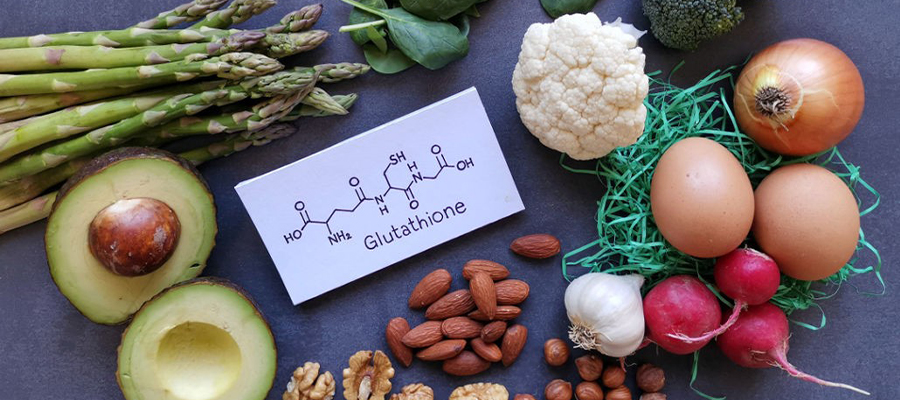
What is glutathione?
USD26.72




![SKINFOOD] Asparagus Glutathione Spicule Serum - 50ml](https://i.ebayimg.com/images/g/N4AAAOSwzCVnPRE7/s-l1200.jpg)


Is Asparagus Good for You?
USD20.15


Your Complete Guide to Glutathione
USD23.03
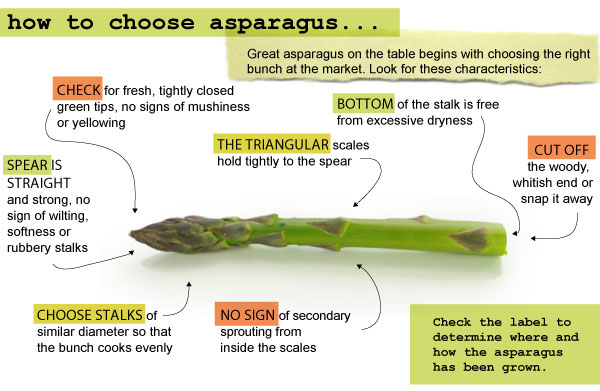
Why You Should Eat More Asparagus
USD20.88
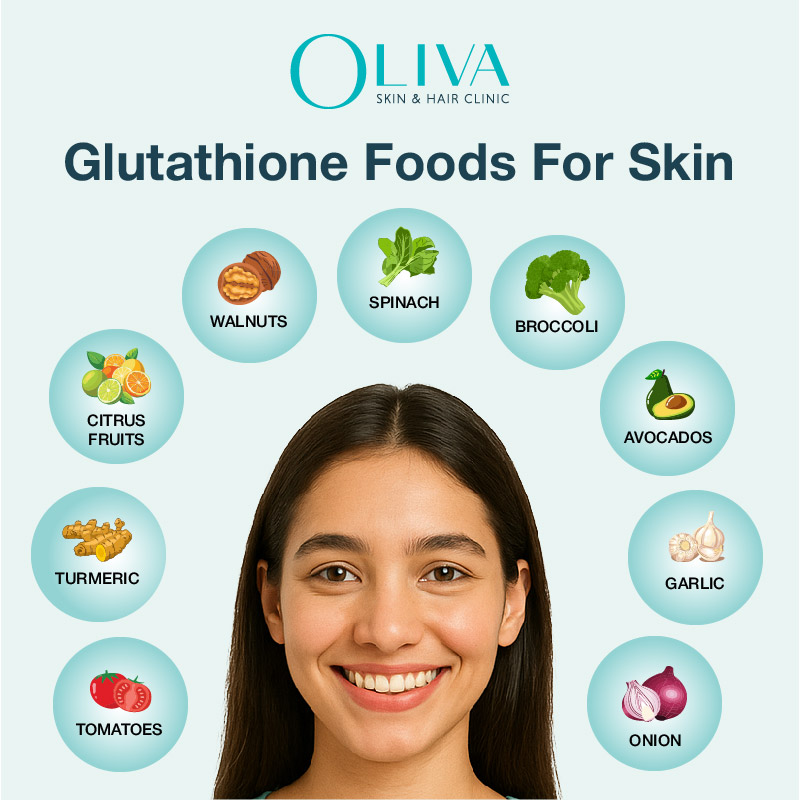




Asparagus - Detoxifying
USD29.17

Frequently Asked Questions for is asparagus loaded with glutathione Asparagus: Health Benefits, Risks (Stinky Pee) & Nutrition Facts
What should I do when product information is unclear or conflicting?
Ask the seller a focused question about the conflicting detail. Treat an unanswered question as uncertainty rather than implied confirmation.
How can I get useful help from the seller about a product or order?
Avoid opening unnecessary duplicate requests that could split the conversation. Use precise details about the actual purchase instead of assumptions about the cause.
What should I do if checkout changes my selected option unexpectedly?
Compare the checkout entry with the option you intended to choose. Review the product reference alongside its visible option name.